Saturday, 16 September 2023

SAMHI Hotels IPO analysis

SAMHI Hotels is a hospitality company that owns and operates hotels in India. The company has a portfolio of 17 hotels with over 2,000 rooms. SAMHI Hotels is planning to raise ₹1,500 crore through its IPO, which is expected to be open for subscription from September 16 to September 20, 2023.

**Strengths**

* SAMHI Hotels has a strong presence in the Indian hospitality sector, with a portfolio of 17 hotels in key cities such as Mumbai, Delhi, and Bangalore.

* The company has a diversified portfolio of hotels, including budget, mid-scale, and luxury hotels.

* SAMHI Hotels has a strong track record of profitability. The company has reported a profit in each of the past five years.

* The company has a strong management team with experience in the hospitality sector.

**Weaknesses**

* SAMHI Hotels has a high level of debt. The company's debt-to-equity ratio is 1.56, which is higher than the industry average.

* The company's profitability margins have been declining in recent years.

* The company is facing increasing competition from other hospitality companies, both domestic and international.

**Valuation**

SAMHI Hotels is currently trading at a price-to-earnings ratio of 16. This is lower than the industry average P/E ratio of 20.5.

**Overall Assessment**

SAMHI Hotels is a hospitality company with a strong presence in the Indian market. The company has a diversified portfolio of hotels and a strong track record of profitability. However, the company has a high level of debt and its profitability margins have been declining in recent years.

**Investment Outlook**

SAMHI Hotels is a risky investment proposition. The company has a high level of debt and its profitability margins have been declining in recent years. However, the company has a strong presence in the Indian hospitality sector and a diversified portfolio of hotels. Investors looking for exposure to the hospitality sector should consider investing in SAMHI Hotels. However, investors should carefully consider their risk tolerance and investment objectives before investing in SAMHI Hotels.

**Disclaimer**


This is not a financial advice. I am a language model and I cannot provide financial advice. Investors should always consult with a qualified financial advisor before making any investment decisions.

Sunday, 10 September 2023

Stock Exchanges in india?

There are currently 8 active stock exchanges in India:


·       Bombay Stock Exchange (BSE)

·       National Stock Exchange (NSE)

·       Calcutta Stock Exchange (CSE)

·       India International Exchange (India INX)

·       Multi Commodity Exchange of India (MCX)

·       National Commodity and Derivatives Exchange (NCDEX)

·       Vadodara Stock Exchange (VSE)

·       Mangalore Stock Exchange (MSE)

The Bombay Stock Exchange (BSE) and the National Stock Exchange (NSE) are the two largest and most active stock exchanges in India. The BSE is the oldest stock exchange in Asia, founded in 1875. The NSE is the largest stock exchange in India in terms of market capitalization.


The other stock exchanges in India are smaller and have a more regional focus. The India International Exchange (India INX) is a new stock exchange that was launched in 2017. It is designed to attract foreign investors and to trade in international securities.


The Multi Commodity Exchange of India (MCX) and the National Commodity and Derivatives Exchange (NCDEX) are commodity exchanges that trade in agricultural and non-agricultural commodities.


The Vadodara Stock Exchange (VSE) and the Mangalore Stock Exchange (MSE) are regional stock exchanges that are located in Gujarat and Karnataka, respectively.


The Securities and Exchange Board of India (SEBI) is the regulatory body for all stock exchanges in India. SEBI is responsible for ensuring the orderly functioning of the stock markets and protecting the interests of investors.


Saturday, 9 September 2023

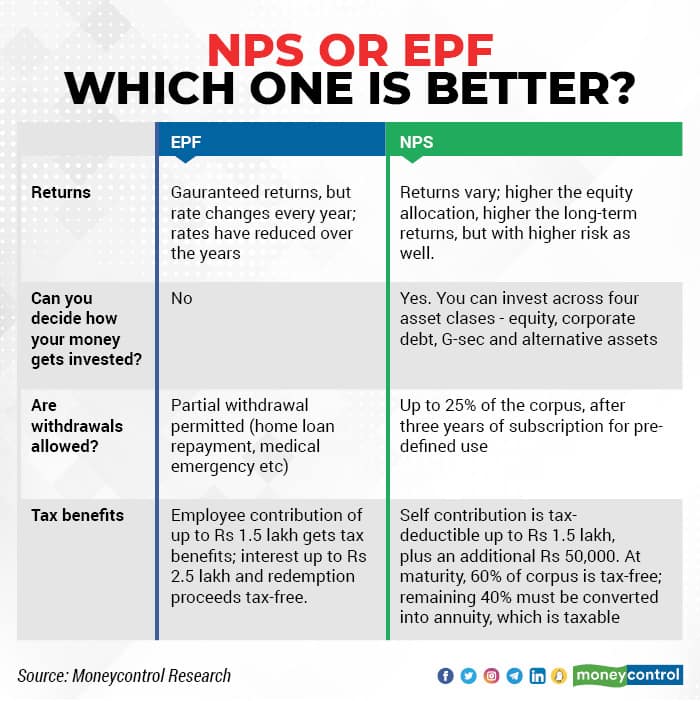
Know all about the NPS and the EPS


Sure, here is what you need to know about the National Pension System (NPS) and the Employee Pension Scheme (EPS):

  • National Pension System (NPS) is a defined contribution pension scheme that was launched in 2004. It is a voluntary scheme open to all citizens of India, including salaried employees, self-employed individuals, and pensioners. Under the NPS, individuals contribute a certain amount of money every month, and the money is invested in a combination of equity and debt instruments. The returns on the investment determine the amount of pension that the individual will receive after retirement.
  • Employee Pension Scheme (EPS) is a defined benefit pension scheme that was introduced in 1995. It is a mandatory scheme for all employees who are members of the Employees' Provident Fund (EPF). Under the EPS, the employer contributes 8.33% of the employee's salary to the scheme, and the employee does not have to contribute anything. The pension amount is fixed and is calculated based on the employee's salary and years of service.

Here is a table that summarizes the key differences between the NPS and the EPS:

Feature

NPS

EPS

Type of schemeDefined contributionDefined benefit
EligibilityVoluntaryMandatory for EPF members
ContributionIndividualEmployer and employee
Investment optionsEquity, debt, and hybrid fundsGovernment securities
Pension amountDetermined by the returns on investmentFixed and based on salary and years of service

The NPS is a more flexible scheme than the EPS, as individuals have more control over the investment of their money. However, the EPS offers a guaranteed pension amount, which may be appealing to some people.

The best scheme for you will depend on your individual circumstances and preferences. If you are looking for a flexible scheme with the potential for higher returns, then the NPS may be a good option for you. If you are looking for a guaranteed pension amount, then the EPS may be a better choice.

Here are some additional things to consider when choosing between the NPS and the EPS:

  • Your age: The NPS is a longer-term investment, so it is a better option if you are young and have a long time to retirement. The EPS is a shorter-term investment, so it is a better option if you are nearing retirement.
  • Your risk appetite: The NPS offers a wider range of investment options, which means that you can choose an investment portfolio that suits your risk appetite. The EPS only invests in government securities, which are considered to be a low-risk investment.
  • Your financial goals: If you have specific financial goals for your retirement, such as buying a house or funding your child's education, then the NPS may be a better option as it gives you more flexibility to choose the investment options that will help you achieve your goals.

I hope this helps!

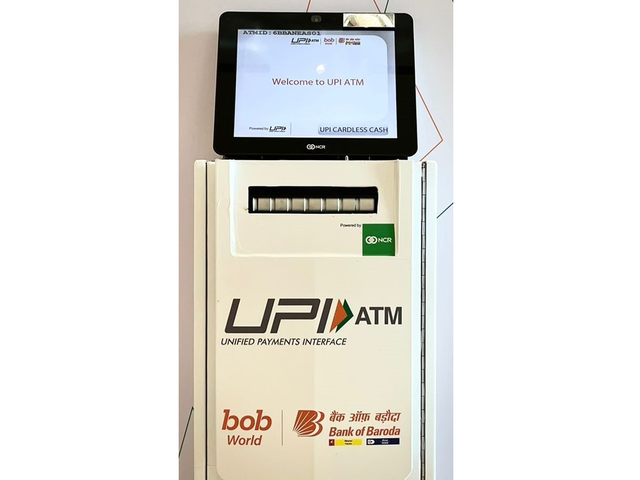
UPI ATM शुरू, पैसे निकालने के लिए नहीं होगी कार्ड की जरूरत, जानें कैसे करेगा काम


बता दें कि रोजमर्रा की जिंदगी में यूपीआई पेमेंट (UPI Payment) आज सबसे लोकप्रिय पेमेंट मेथड बन गया है. अब यूपीआई के जरिए आप एटीएम से पैसे भी निकाल सकते हैं और इसकी शुरुआत सफलतापूर्वक की जा चुकी है. इस एटीएम को नेशनल पेमेंट कॉर्पोरेशन ऑफ इंडिया (NPCI) ने विकसित किया है.


UPI ATM से कैसे निकलेगा कैश  

यूपीआई एटीएम में स्क्रीन पर आपको Welcome to UPI ATM लिखा दिखेगा.

ग्राहक को एटीएम पर ‘UPI Cash Withdrawal’ ऑप्शन का चयन करना होगा.

स्क्रीन पर क्लिक करने पर आपसे पूछा जाएगा कि आप कितना अमाउंट निकालना चाहते हैं.

अब राशि दर्ज करें.

राशि दर्ज करने के बाद स्क्रीन पर एक QR कोड डिस्प्ले हो जाएगा.

यह कोड आप BHIM, PhonePe, GPay जैसे किसी भी सपोर्टेड यूपीआई ऐप से स्कैन करेंगे.

इसके बाद आपको अपने यूपीआई ऐप का PIN डालना होगा.

फिर कैश डिस्पेंस हो जाएगा. इस तरह आप अपना कैश कलेक्ट कर सकते हैं.


UPI ATM की खासियतें

>> इंटरऑपरेबल

>> कार्डलेस विड्रॉल

>> ट्रांजैक्शन की लिमिट ₹10,000/- प्रति ट्रांजैक्शन तक है. यह मौजूदा यूपीआई रोजाना की लिमिट का हिस्सा होगा और यूपीआई-एटीएम ट्रांजैक्शन के लिए जारीकर्ता बैंक द्वारा निर्धारित लिमिट के अनुसार होगा.

>> सुविधा यानी एटीएम से कैश निकालने के लिए कार्ड ले जाने की जरूरत नहीं.

>> UPI APP का उपयोग करके कई अकाउंट्स से कैश निकाल सकते हैं.

Wednesday, 6 September 2023

All About Share Market


The share market, also known as the stock market, is where stocks or shares of publicly traded companies are bought and sold. Here are some basics:


1. **Stocks and Shares:** Companies divide their ownership into shares, which are then traded in the market. When you buy a share, you own a portion of that company.


2. **Stock Exchanges:** Stocks are traded on organized exchanges like the New York Stock Exchange (NYSE) or NASDAQ in the United States. Each country typically has its own major stock exchange.


3. **Stock Prices:** Stock prices fluctuate based on supply and demand. Positive news about a company can drive prices up, while negative news can cause them to drop.


4. **Buying and Selling:** Investors buy stocks through brokers. You place an order to buy or sell a specific number of shares at a particular price. There are various order types, such as market orders and limit orders.


5. **Risk and Return:** Investing in stocks carries risks. Prices can be volatile, and there's no guarantee of profit. However, historically, stocks have offered higher returns compared to many other investments over the long term.


6. **Diversification:** Spreading your investments across different stocks and industries can help reduce risk. This is known as diversification.


7. **Dividends:** Some companies pay dividends to shareholders, which are a portion of their profits. Not all companies pay dividends, though.


8. **Stock Indices:** These are benchmarks that track the performance of a group of stocks. Examples include the S&P 500 and the Dow Jones Industrial Average.


9. **Investment Strategies:** There are various strategies for investing in stocks, including long-term investing, day trading, value investing, and growth investing.


10. **Research and Analysis:** Successful investors often research companies and industries before investing. This can involve studying financial reports, market trends, and news.


11. **Regulation:** Stock markets are heavily regulated to ensure fairness and transparency. Regulatory bodies, like the SEC in the United States, oversee these markets.


12. **Brokerage Accounts:** To invest in the stock market, you typically need a brokerage account. These accounts allow you to buy and sell stocks online.


Remember that investing in stocks involves risks, and it's essential to do your research or consult with a financial advisor before making investment decisions. Additionally, your investment goals and risk tolerance should guide your investment strategy.

Monday, 19 June 2023

Rs 2000 notes cleanup: Benefits and Drawback


The potential benefits of a Rs 2000 notes cleanup include:

  • Increased bank deposits: As people deposit their Rs 2000 notes in banks, this will increase the amount of money available for lending. This could lead to increased credit growth and investment, which could boost economic growth.
  • Reduced counterfeiting: The Rs 2000 note is a relatively new note, and there have been concerns about its vulnerability to counterfeiting. A cleanup could help to reduce the amount of counterfeit Rs 2000 notes in circulation.
  • Improved transparency: A cleanup could help to improve transparency in the economy. By removing old and damaged Rs 2000 notes from circulation, it would be easier to track the flow of money. This could help to reduce tax evasion and other forms of financial crime.

However, there are also some potential drawbacks to a Rs 2000 notes cleanup. These include:

  • Inconvenience to businesses and consumers: A cleanup could cause some inconvenience to businesses and consumers. For example, businesses may have to update their cash registers and ATMs to accommodate the new notes. Consumers may also have to wait longer to get their change.
  • Increased costs for banks: Banks may incur some costs associated with a cleanup, such as the cost of transporting and destroying old notes.
  • Potential impact on the informal economy: The informal economy, which includes businesses and transactions that are not taxed or regulated, may be adversely affected by a cleanup. This is because the informal economy often relies on cash, and a cleanup could make it more difficult for informal businesses to operate.

Overall, the potential benefits of a Rs 2000 notes cleanup need to be weighed against the potential drawbacks. It is important to consider the specific circumstances of the Indian economy before making a decision about whether or not to proceed with a cleanup.