Saturday, 9 September 2023

UPI ATM शुरू, पैसे निकालने के लिए नहीं होगी कार्ड की जरूरत, जानें कैसे करेगा काम


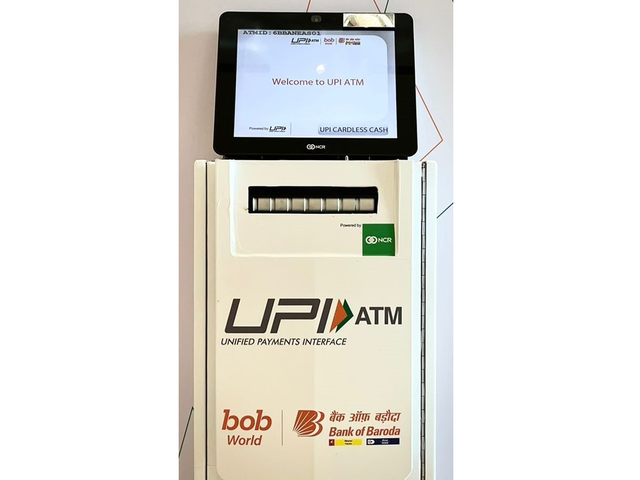
बता दें कि रोजमर्रा की जिंदगी में यूपीआई पेमेंट (UPI Payment) आज सबसे लोकप्रिय पेमेंट मेथड बन गया है. अब यूपीआई के जरिए आप एटीएम से पैसे भी निकाल सकते हैं और इसकी शुरुआत सफलतापूर्वक की जा चुकी है. इस एटीएम को नेशनल पेमेंट कॉर्पोरेशन ऑफ इंडिया (NPCI) ने विकसित किया है.


UPI ATM से कैसे निकलेगा कैश  

यूपीआई एटीएम में स्क्रीन पर आपको Welcome to UPI ATM लिखा दिखेगा.

ग्राहक को एटीएम पर ‘UPI Cash Withdrawal’ ऑप्शन का चयन करना होगा.

स्क्रीन पर क्लिक करने पर आपसे पूछा जाएगा कि आप कितना अमाउंट निकालना चाहते हैं.

अब राशि दर्ज करें.

राशि दर्ज करने के बाद स्क्रीन पर एक QR कोड डिस्प्ले हो जाएगा.

यह कोड आप BHIM, PhonePe, GPay जैसे किसी भी सपोर्टेड यूपीआई ऐप से स्कैन करेंगे.

इसके बाद आपको अपने यूपीआई ऐप का PIN डालना होगा.

फिर कैश डिस्पेंस हो जाएगा. इस तरह आप अपना कैश कलेक्ट कर सकते हैं.


UPI ATM की खासियतें

>> इंटरऑपरेबल

>> कार्डलेस विड्रॉल

>> ट्रांजैक्शन की लिमिट ₹10,000/- प्रति ट्रांजैक्शन तक है. यह मौजूदा यूपीआई रोजाना की लिमिट का हिस्सा होगा और यूपीआई-एटीएम ट्रांजैक्शन के लिए जारीकर्ता बैंक द्वारा निर्धारित लिमिट के अनुसार होगा.

>> सुविधा यानी एटीएम से कैश निकालने के लिए कार्ड ले जाने की जरूरत नहीं.

>> UPI APP का उपयोग करके कई अकाउंट्स से कैश निकाल सकते हैं.

Wednesday, 6 September 2023

All About Share Market


The share market, also known as the stock market, is where stocks or shares of publicly traded companies are bought and sold. Here are some basics:


1. **Stocks and Shares:** Companies divide their ownership into shares, which are then traded in the market. When you buy a share, you own a portion of that company.


2. **Stock Exchanges:** Stocks are traded on organized exchanges like the New York Stock Exchange (NYSE) or NASDAQ in the United States. Each country typically has its own major stock exchange.


3. **Stock Prices:** Stock prices fluctuate based on supply and demand. Positive news about a company can drive prices up, while negative news can cause them to drop.


4. **Buying and Selling:** Investors buy stocks through brokers. You place an order to buy or sell a specific number of shares at a particular price. There are various order types, such as market orders and limit orders.


5. **Risk and Return:** Investing in stocks carries risks. Prices can be volatile, and there's no guarantee of profit. However, historically, stocks have offered higher returns compared to many other investments over the long term.


6. **Diversification:** Spreading your investments across different stocks and industries can help reduce risk. This is known as diversification.


7. **Dividends:** Some companies pay dividends to shareholders, which are a portion of their profits. Not all companies pay dividends, though.


8. **Stock Indices:** These are benchmarks that track the performance of a group of stocks. Examples include the S&P 500 and the Dow Jones Industrial Average.


9. **Investment Strategies:** There are various strategies for investing in stocks, including long-term investing, day trading, value investing, and growth investing.


10. **Research and Analysis:** Successful investors often research companies and industries before investing. This can involve studying financial reports, market trends, and news.


11. **Regulation:** Stock markets are heavily regulated to ensure fairness and transparency. Regulatory bodies, like the SEC in the United States, oversee these markets.


12. **Brokerage Accounts:** To invest in the stock market, you typically need a brokerage account. These accounts allow you to buy and sell stocks online.


Remember that investing in stocks involves risks, and it's essential to do your research or consult with a financial advisor before making investment decisions. Additionally, your investment goals and risk tolerance should guide your investment strategy.

Monday, 19 June 2023

Rs 2000 notes cleanup: Benefits and Drawback


The potential benefits of a Rs 2000 notes cleanup include:

  • Increased bank deposits: As people deposit their Rs 2000 notes in banks, this will increase the amount of money available for lending. This could lead to increased credit growth and investment, which could boost economic growth.
  • Reduced counterfeiting: The Rs 2000 note is a relatively new note, and there have been concerns about its vulnerability to counterfeiting. A cleanup could help to reduce the amount of counterfeit Rs 2000 notes in circulation.
  • Improved transparency: A cleanup could help to improve transparency in the economy. By removing old and damaged Rs 2000 notes from circulation, it would be easier to track the flow of money. This could help to reduce tax evasion and other forms of financial crime.

However, there are also some potential drawbacks to a Rs 2000 notes cleanup. These include:

  • Inconvenience to businesses and consumers: A cleanup could cause some inconvenience to businesses and consumers. For example, businesses may have to update their cash registers and ATMs to accommodate the new notes. Consumers may also have to wait longer to get their change.
  • Increased costs for banks: Banks may incur some costs associated with a cleanup, such as the cost of transporting and destroying old notes.
  • Potential impact on the informal economy: The informal economy, which includes businesses and transactions that are not taxed or regulated, may be adversely affected by a cleanup. This is because the informal economy often relies on cash, and a cleanup could make it more difficult for informal businesses to operate.

Overall, the potential benefits of a Rs 2000 notes cleanup need to be weighed against the potential drawbacks. It is important to consider the specific circumstances of the Indian economy before making a decision about whether or not to proceed with a cleanup.

Monday, 20 March 2023

What Is Share?


If you own a share of a company, you own a part of that company. A share is a unit of ownership that represents how much of the company's capital you have invested in exchange for your share. Companies issue shares to raise money from investors who want to participate in the company's growth and profits.


There are two main types of shares: common shares and preferred shares. Common shares give you voting rights and dividends, which are payments from the company's earnings. Dividends are not guaranteed and depend on the company's performance and decisions. Common shares also have potential for capital appreciation, which means your share price can go up or down depending on the market demand and supply.


Preferred shares do not give you voting rights, but they have priority over common shares when it comes to dividends and liquidation. This means that preferred shareholders get paid first before common shareholders if the company distributes dividends or goes bankrupt. Preferred shares usually have fixed dividends that are paid regularly regardless of the company's performance. Preferred shares also have less risk of losing value than common shares, but they also have less chance of gaining value.


Shares are traded on stock exchanges, where buyers and sellers meet to exchange shares at an agreed price. The price of a share depends on many factors, such as the company's earnings, growth prospects, reputation, industry trends, market sentiment, supply and demand, etc. The price can change quickly and unpredictably due to these factors.


Owning shares can be rewarding but also risky. You can earn income from dividends and capital gains if your share price goes up, but you can also lose money if your share price goes down or if the company fails. You should do your research before investing in any company and understand the risks involved.

Sunday, 19 March 2023

What is Listed Companies?

 What is a Listed Company?


A listed company is a company that has its shares traded on a stock exchange. A stock exchange is a platform where buyers and sellers can trade shares of different companies. A listed company has to comply with certain rules and regulations of the stock exchange and the securities market regulator.


Why Invest in Listed Companies in India?


India is one of the fastest-growing major economies in the world, with a large and diverse market. Investing in listed companies in India can offer several benefits, such as:


- Exposure to various sectors and industries that are driving India's growth, such as IT, banking, energy, consumer goods, etc.

- Access to some of the world's leading companies that have global presence and reputation, such as Reliance Industries, Tata Consultancy Services (TCS), Infosys, HDFC Bank, etc.

- Potential for high returns and dividends as many Indian companies have strong fundamentals and growth prospects.

- Diversification of portfolio as Indian stocks can provide exposure to different regions and currencies.


How to Find Listed Companies in India?


There are over 5,000 listed companies in India across two major stock exchanges: Bombay Stock Exchange (BSE) and National Stock Exchange (NSE). To find listed companies in India, one can use various sources, such as:


- Stock market websites that provide information on listed companies, such as Moneycontrol.com, Sharetradingguru.com, Mapsofindia.com, etc.

- Business magazines and newspapers that publish rankings and reports on listed companies, such as Forbes, Business Today, Economic Times, etc.

- Stock market apps that allow users to track and trade stocks of listed companies on their smartphones or tablets.

- Stock brokers or financial advisors that can help investors choose suitable stocks based on their goals and risk appetite.


Some Examples of Listed Companies in India


Here are some examples of top listed companies in India by market capitalisation (as of March 2021):


- Reliance Industries: The largest private sector company in India with interests in oil and gas, petrochemicals, telecom, retail, digital services etc. It has a market cap of Rs 15.04 lakh crore ($205 billion).

- TCS: The largest IT services company in India with clients across various industries and geographies. It has a market cap of Rs 11.63 lakh crore ($158 billion).

- HDFC Bank: The largest private sector bank in India with a wide network of branches and ATMs. It has a market cap of Rs 8.77 lakh crore ($119 billion).

- Infosys: The second-largest IT services company in India with expertise in digital transformation solutions. It has a market cap of Rs 5.89 lakh crore ($80 billion).

- ICICI Bank: The second-largest private sector bank

What is stock market?

 Stock Market in India: A Brief Overview

The stock market is a place where buyers and sellers of shares or stocks trade with each other. Shares represent ownership of a company and give investors a claim on its profits and assets. The stock market is also a platform for raising capital for businesses and providing liquidity for investors.

The Indian stock market is one of the largest and most dynamic in the world, with a market capitalization of over $3 trillion as of December 2021. It consists of two main exchanges: the Bombay Stock Exchange (BSE) and the National Stock Exchange (NSE). Both exchanges are regulated by the Securities and Exchange Board of India (SEBI), which is responsible for protecting the interests of investors and promoting orderly development of the market.

The BSE is the oldest stock exchange in Asia, established in 1875. It has more than 5,000 listed companies across various sectors, such as banking, IT, pharma, auto, etc. The BSE's benchmark index is called the SENSEX, which tracks the performance of 30 blue-chip companies. The BSE also offers derivatives trading, mutual funds, debt instruments, currency futures and options, etc.


The NSE is the leading stock exchange in India, founded in 1992. It has more than 1,800 listed companies across diverse industries, such as energy, telecom, infrastructure, FMCG, etc. The NSE's benchmark index is called the NIFTY 50, which tracks the performance of 50 large-cap companies. The NSE also offers derivatives trading, mutual funds, exchange-traded funds (ETFs), index funds, gold ETFs, sovereign gold bonds, etc.

Both exchanges operate on an electronic trading system that allows fast and efficient execution of orders. They also have nationwide networks of brokers who facilitate trading for retail and institutional investors. Trading hours are from 9:15 am to 3:30 pm on weekdays (except public holidays).

The Indian stock market offers various opportunities for investors to diversify their portfolios and earn returns based on their risk appetite and investment objectives. However, investing in stocks also involves certain risks,such as market volatility,company-specific issues, macroeconomic factors, political uncertainty, etc.

Therefore,investors should do their own research before investing and follow sound financial principles such as asset allocation, risk management, long-term horizon, etc.